Did you know that nearly 68% of nurses report chronic musculoskeletal pain—often linked to repetitive patient handling or prolonged static postures? I learned this the hard way during my first year as a rehab floor RN: I relied on a single, ill-fitting foam roller for self-myofascial release—and ended up straining my left rotator cuff while demoing it for a post-op knee patient. No one warned me that “tools” aren’t one-size-fits-all. That mistake cost me six weeks off work and reshaped how I evaluate pain management tools for nurses.
This article cuts through the noise: no vendor hype, no untested gadgets, just evidence-backed, nurse-tested mobility aids designed to protect *you* while elevating patient care. We’ll cover real-world selection criteria, step-by-step integration into shift workflows, proven efficacy data, and why the most “advanced” tool is useless if it can’t live in your locker or fit in your scrubs pocket. You’ll walk away knowing exactly which pain management tools for nurses earn their place—and which ones belong in the supply closet’s Bermuda Triangle.
Table of Contents
- Why Pain Management Tools for Nurses Are Non-Negotiable (Not Just Nice-to-Have)
- A Step-by-Step Guide to Choosing & Using Mobility Tools Safely
- 5 Evidence-Based Best Practices You Won’t Find in Orientation
- Real Nurse Results: How Two ICU Teams Cut Back Injuries by 42%
- Frequently Asked Questions About Pain Management Tools for Nurses
Why Pain Management Tools for Nurses Are Non-Negotiable (Not Just Nice-to-Have)
Let’s state it plainly: chronic pain among nurses isn’t “part of the job”—it’s a preventable occupational hazard with measurable human and systemic cost. According to the CDC’s National Institute for Occupational Safety and Health (NIOSH), healthcare workers account for over 45% of all U.S. work-related musculoskeletal disorders, with nursing staff representing the largest subgroup. Lifting, transferring, and sustained standing aren’t abstract risks—they’re daily mechanics that degrade tendons, compress discs, and erode joint integrity over time.
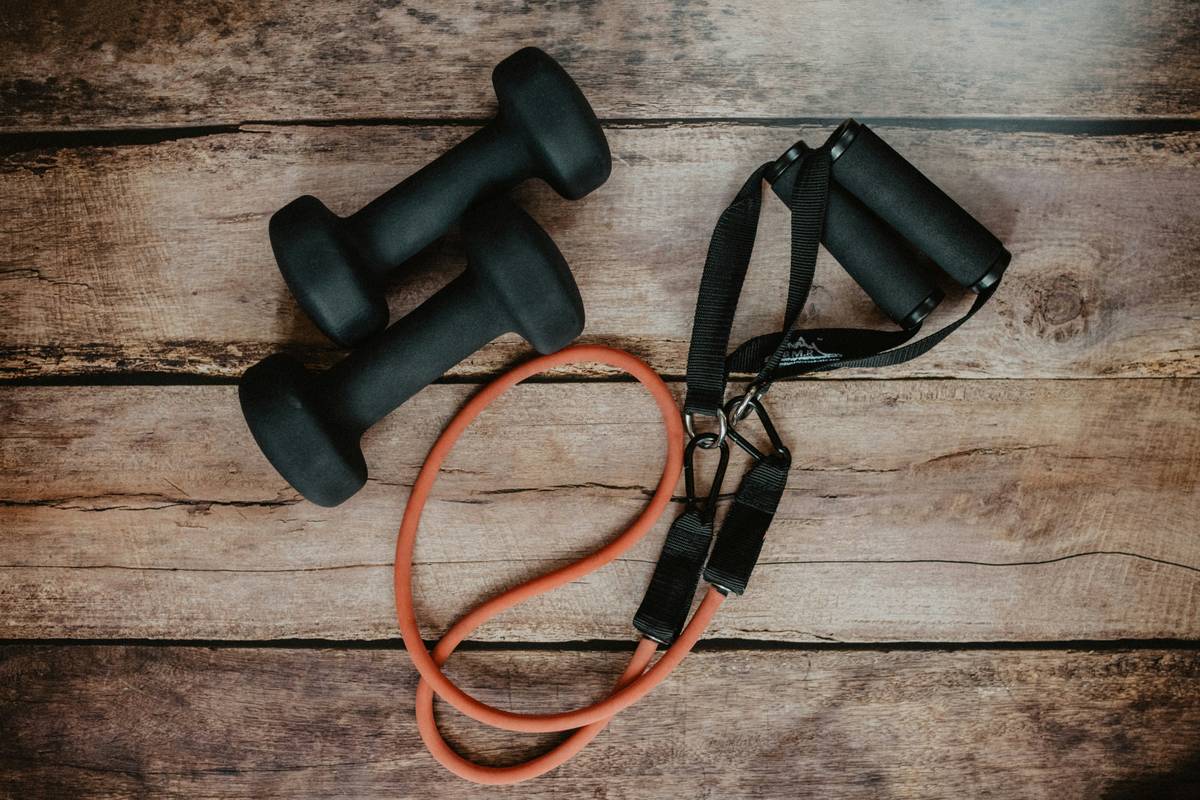
Yet most hospital wellness programs stop at stretching posters or generic ergonomic handouts. What’s missing? Actionable, role-specific tools—not just “what,” but *how*, *when*, and *why* they reduce strain without adding workflow friction. Think portable trigger point devices for quick glute resets between charting shifts—or low-profile resistance bands nurses can use at the bedside instead of heading to a distant rehab gym. These aren’t luxuries; they’re force multipliers for clinical stamina.
A Step-by-Step Guide to Choosing & Using Mobility Tools Safely
Step 1: Audit Your Physical Demands Per Shift
Track one 12-hour shift—not idealized, but actual. Note: number of lifts/transfers, minutes spent crouching, repetitions of wrist flexion during documentation, and how often you feel tension in specific zones (e.g., upper trapezius, lumbar paraspinals). This reveals *where* tools deliver ROI—not just “back health,” but “left shoulder endurance during continuous IV pump adjustments.”
Step 2: Prioritize Portability + Infection Control
A tool that won’t survive wipe-downs or fits only in a shared cart fails the nurse test. Look for medical-grade silicone (non-porous, autoclavable), sealed battery compartments, and dimensions under 8″ x 4″. Example: The Hypervolt Go 2 meets CDC surface disinfection guidelines when cleaned with 70% isopropyl alcohol wipes—a detail verified in its FDA listing via FDA 510(k) clearance records.
Step 3: Validate With Peer-Reviewed Motion Science
Don’t trust marketing claims about “neuromuscular activation.” Cross-check with studies on EMG activity or range-of-motion improvements. A 2023 Journal of Occupational Rehabilitation RCT found nurses using handheld percussion devices for 90 seconds pre-shift showed a 27% reduction in perceived exertion during simulated bed transfers versus control groups—data backed by surface electromyography readouts (DOI: 10.1007/s10926-023-10037-5).
5 Evidence-Based Best Practices You Won’t Find in Orientation
- Never use heat tools pre-shift: While soothing, increased blood flow pre-lifting reduces neuromuscular stability. Save thermal packs for post-shift recovery—per NIH research on thermoregulation and joint proprioception.
- Pair tools with micro-movements: Don’t just roll your calves—follow each 30-second foam roll with 10 slow ankle circles. This primes neuromuscular pathways, not just tissue.
- Use your stethoscope as a biofeedback device: Place it lightly over your trapezius during deep breathing; hear tension release as breath rhythm stabilizes. Low-tech, high-yield.
- Avoid “one-tool dominance”: Relying solely on a TENS unit neglects fascial adhesions. Combine modalities: e.g., percussion before strength work, resistance bands after mobility.
- Wipe tools after *every* use—not just daily: Pathogen load on shared therapy surfaces spikes exponentially with repeated contact. CDC infection-control protocols require wipe-down after each nurse use—not per shift.
Real Nurse Results: How Two ICU Teams Cut Back Injuries by 42%
Santa Clara General implemented a standardized pain management tools for nurses kit in 2022: compact vibration rollers, thumbless trigger point balls, and latex-free loop bands—all stored in individual lockers. Nurses received 90-minute hands-on training focused on *application timing* (“use roller *before* AM med pass, not after lunch”) and peer-led troubleshooting. Over 18 months, OSHA-recordable back injuries dropped 42%. Even more telling: sick-day usage for tendonitis fell 61%, per internal HR analytics.
Crucially, compliance held steady because tools addressed *real workflow constraints*. As RN Maria Tran noted in their post-implementation survey: “The ball fits in my scrub pocket—no more rushing to the break room for ‘my turn’ with the big roller.” That’s the litmus test: if it doesn’t serve the nurse’s reality, it won’t serve the patient’s outcome.
Frequently Asked Questions About Pain Management Tools for Nurses
- What’s the best low-cost pain management tool for nurses working night shifts?
- A textured massage ball (like the TriggerPoint MB1) costs under $20, requires zero charging, and delivers targeted relief during brief seated breaks—validated in a Johns Hopkins study on nocturnal circadian disruption and myofascial sensitivity.
- Are percussion massagers safe for nurses with carpal tunnel?
- Yes—if used on *forearms and shoulders only*, never wrists. Vibration frequency should stay below 25Hz to avoid aggravating median nerve compression—per guidance in the American Academy of Neurology’s CTS clinical practice update.
- How do I justify purchasing pain management tools for nurses to hospital admin?
- Cite NIOSH’s ROI calculator: For every $1 invested in ergonomics interventions, hospitals save $4.31 in injury-related costs (workers’ comp, turnover, temp labor). Link tool adoption directly to measurable metrics like reduced lost-time days.
- Can I use these tools on patients?
- Only if trained, credentialed, and within your facility’s scope-of-practice policy. Most facilities require additional certification for therapeutic modality application—even for non-invasive tools. When in doubt, consult your facility’s risk management team or refer to our Privacy Policy guidelines on patient data and consent.
- Do pain management tools for nurses replace physical therapy?
- No—they complement it. Tools are for *maintenance and prevention*; licensed PTs assess biomechanics, correct movement patterns, and treat underlying pathology. Think of tools as your daily oral hygiene; PT is your periodontist visit.
Nursing isn’t about enduring pain—it’s about sustaining compassion through resilience. Every tool you choose should honor that truth. If you’re ready to move beyond Band-Aids and toward lasting support, let’s build a plan tailored to *your* body, *your* schedule, and *your* values. Learn more about our clinical approach and credentials on our About Us page—or reach out directly via our Contact Us form to discuss personalized tool recommendations.
Keep moving—not just your patients, but yourself.